Process for Requesting Accomodations
General Documentation Requirements
Service Animal Policy
Timeline for Requesting Accomodations
Study Abroad Guidelines
Internship Guidelines

NaropAbility
NaropAbility meets weekly on Wednesdays at 12pm in the Sycamore Conference Room to
serve as an open, relaxed environment to connect, share experiences, promote
awareness, advocacy, and education for disability-related issues at Naropa
University. Even though the group focuses on disability-related issues, it is
open to all. For more information contact Kristen Tully at ktully@naropa.edu.
______________________________________________________
 Having difficulty staying organized? Here are some tips that will help you keep on top of your schoolwork.


Writing can by an arduous process, especially when you have weekly reflections and large research papers all due at the same time. Writers Block can present itself during any stage of the process, and can make you feel defeated. Here are some steps that you can take to make the writing process seem less overwhelming.
______________________________________________________

- Keep a planner: At the beginning of the semester, go over each class syllabus and write down all due dates. I'm a big fan of paper planners from Target, but Google Calendar is a great resource as well. Ensure you update your planner regularly as due dates change or new assignments come up.
- Keep a List: Make a list of everything you want to get done in a day or week and prioritize it. Write numbers next to each item in order of priority and stick to it.
- Clean Early: Get your cleaning done early in the day. If you leave it until the end of the day, it is easy to prioritize cleaning over studying.
- Your System: Everyone has a system for staying organized. Decide what your system is going to be at the beginning of the semester and stick to it. If you switch, you're more likely to forget where your notes from early in the semester were kept.
- Binders/Notebooks: Keep a separate binder or notebook for each class. Don't use the same notebook for two different classes.
- Keep it Simple: No need to spend a lot of money on organization supplies. Organized Charm has a simple organization method that requires just 1-2 folders per class.
- Still Struggling? Reach out to me at ktully@naropa.edu and we can work together to create a strategy that works for you.

Study Habits
- Start Early: As soon as you have all the knowledge you need and know the requirements of an assignment, get started. By doing a little each day, even a large assignment seems small.
- Take a Break: Allow yourself to take a timed break. For each hour of work, allow yourself 20 minutes of a break. Make sure you time yourself so you know when to get back to work!
- Habits: Start good study habits early in the semester. It's easier to stick to a schedule if it's started early than breaking a bad habit later.
- Study Space: Have a designated space that you go to study. Ideally, this is a space that you use only for homework or studying. Perhaps it's a cafe or the library.
- Study Group: Keep yourself accountable by forming a study group or studying with a friend. Just be sure that you're able to stay on task!
- Reward Yourself: Finish studying? How about indulging in your favorite snack, going out with friends, etc?
- Still Struggling? Reach out to me at ktully@naropa.edu and we can work together to create a healthy study habits.

Writing Resources
The Naropa Writing Center (NWC) can support you through all stages of the writing process. They offer appointments for 25-50 minutes via their online system or by phone at 303-245-4606. Check out their wealth of resources via the NWC MyNaropa Page.Writing can by an arduous process, especially when you have weekly reflections and large research papers all due at the same time. Writers Block can present itself during any stage of the process, and can make you feel defeated. Here are some steps that you can take to make the writing process seem less overwhelming.
- Start Early: I’m sure this is last strategy you wanted to hear. When you have 5 other assignments due before your research paper, why would you ever start early? Because it works, and it’ll save you time in the long run. Trust me. For research papers, start at least 2-3 weeks before it’s due and write everyday. Even if you can only write a sentence, ensure that you set aside 20-60 minutes to write everyday.
- Brainstorm: Brainstorm ideas by freewriting, making a list, or doing research. Brainstorming with a peer from class can elicit ideas that you may not have come up with on your own.
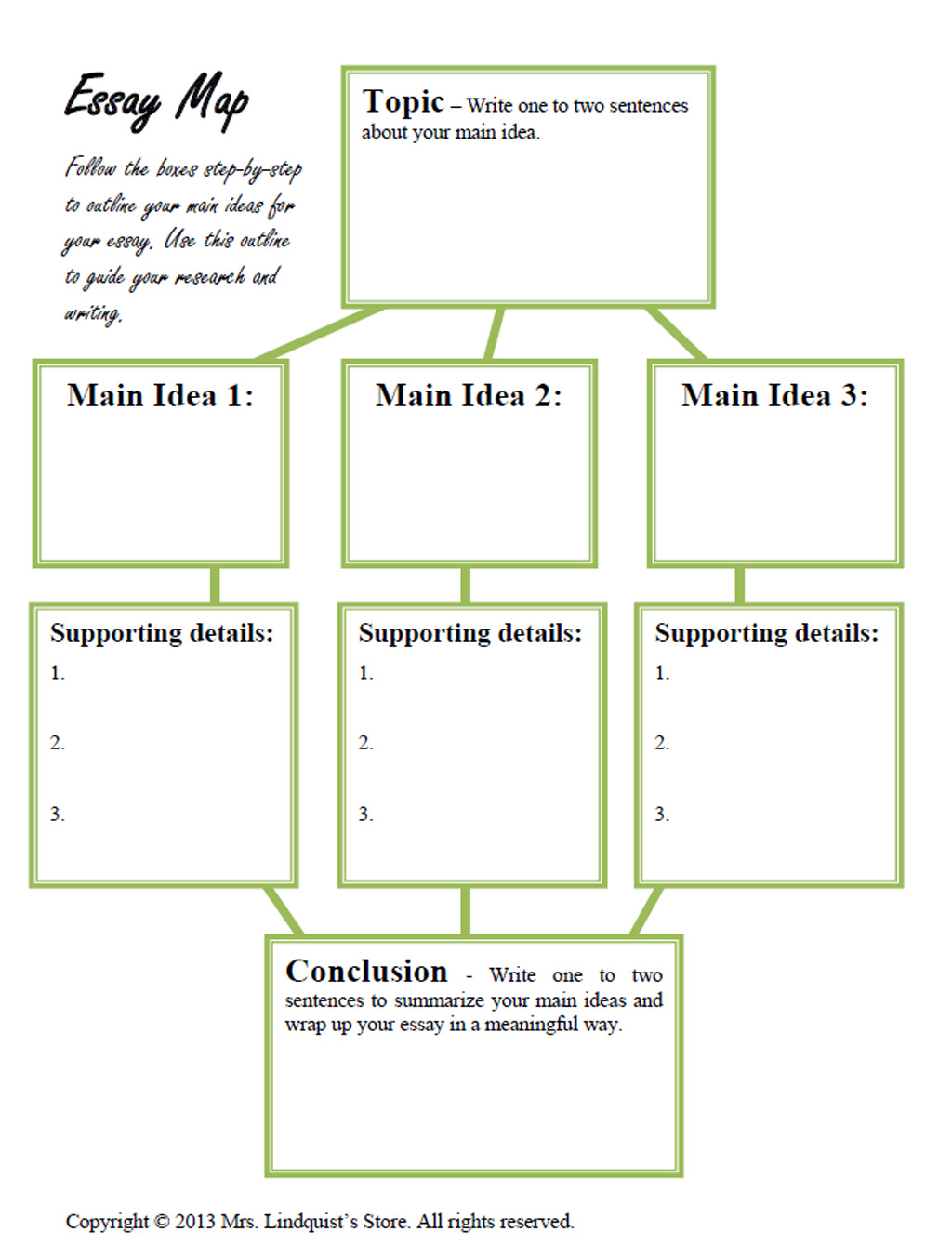
- Use a Graphic Organizer or Outline: Organize your writing! Use a graphic organizer that ensures you support your thoughts with claims from your reading. There are great graphic organizers below that will help you start your writing in a systematic way.
- Five Paragraph Essay
- Another Great Outline Structure
- Research Paper Graphic Organizer
- Essay Map
- Chunking Graphic Organizer (for writing about quotes)
- Use a K-W-L Chart: KWL charts are great when you are writing weekly reflections from your reading. I reverse the L&W for this purpose, rather that use them in they way they were intended. Use a K-W-L Chart to include what you Knew about the topic prior to reading, include what you Learned about the topic via your reading or lectures this week, and include what more you Want to learn about the topic. Then, put it all together in a reflection paper.
- Cite as you Read: Ensure you write down the source and page number that your quote or information came from as you find information. Put the article link or source on a draft reference page for later.
- Writing Apps:
- Mind Mapping: Allows you to organize ideas electronically via mind mapping
- Inspiration $40
- MindMeister $6/month
- GingerSoftware (for spelling/grammar) $10/month
- Read & Write (30 day free trial)
- Review the Elements of an Essay here.

No comments:
Post a Comment